What is it made of?
Ordinary things. Extraordinary material stories. Look inside the objects around you and follow what makes them work.
New here? Find your way in
Many material stories.Photo by Maria Orlova on Pexels
OBJECTS
MATERIALS
READING PATHS
Free to explore.
No account. Just curiosity.
A good question
is a beginning.
You can start with a familiar object, a material choice or a question about what happens next.
What is it made of?
Open an object and explore the parts that do different jobs.
Start with an object →Why use that material?
Compare the choices for a specific purpose.
Put materials side by side →What happens next?
Follow repair, reuse and real recovery routes.
Follow a reading path →Familiar things.
Hidden worlds.
From a toaster to a tennis racket: 100 familiar things to investigate. Original illustrations introduce each object; open one to explore its components.

Mobile phone
A small meeting place for very different materials.
Toaster
A hot filament inside a deliberately cooler frame.
Jeans
A tough woven surface with carefully placed flexibility.
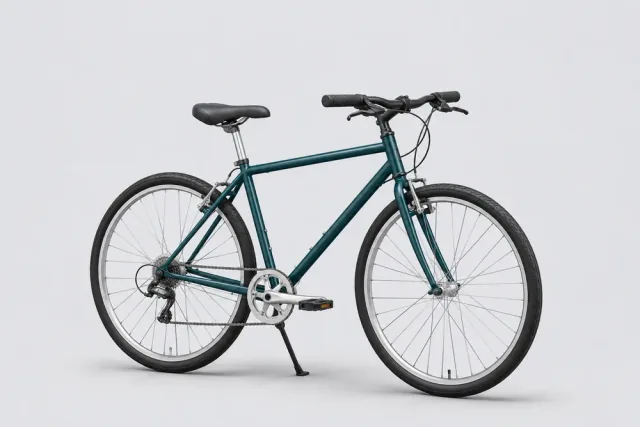
Bicycle
Strength depends on shape as well as substance.
Laptop
A portable computer is also a compact heat-management system.
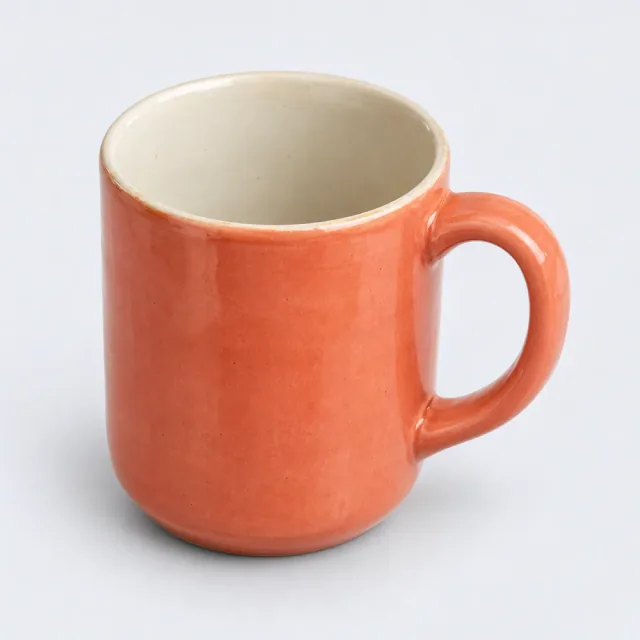
Ceramic mug
Soft clay becomes a rigid, partly glassy body.
Tennis racket
A stiff frame carries a deliberately flexible string bed.
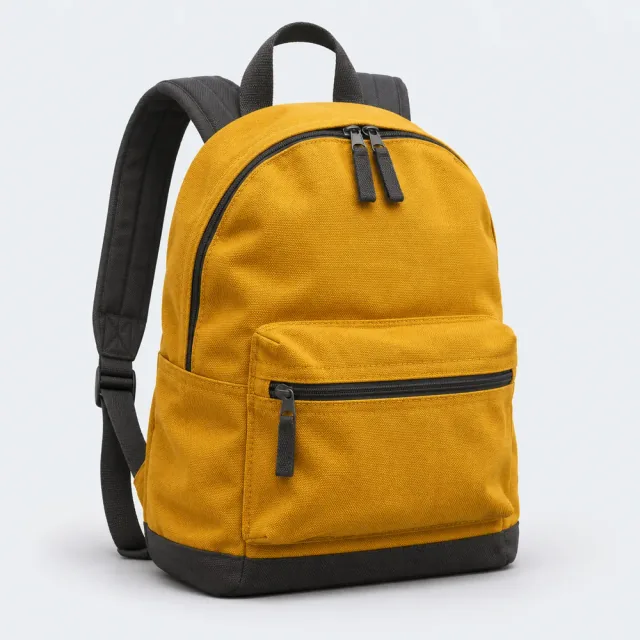
Backpack
A flexible container with a hidden load path.
One thing
leads to
another.
You never need to start with a chemical name.
- 01Pick an objectStart with something you use.
- 02Choose a componentSee the job it needs to do.
- 03Follow a materialExplore properties and origins.
- 04Ask what comes nextConnect repair, reuse and recovery.
A small detour.
A different view.
Open a stop, explore its connections, then continue from the reading-path bar.
Same material.
Different lives.
Where does it begin?
Read sourced production data with the year, definitions and limits in view.
Explore originsHow do we know?
Every explanation connects to evidence. Illustrations support recognition; diagrams explain representative construction.
Follow the sources